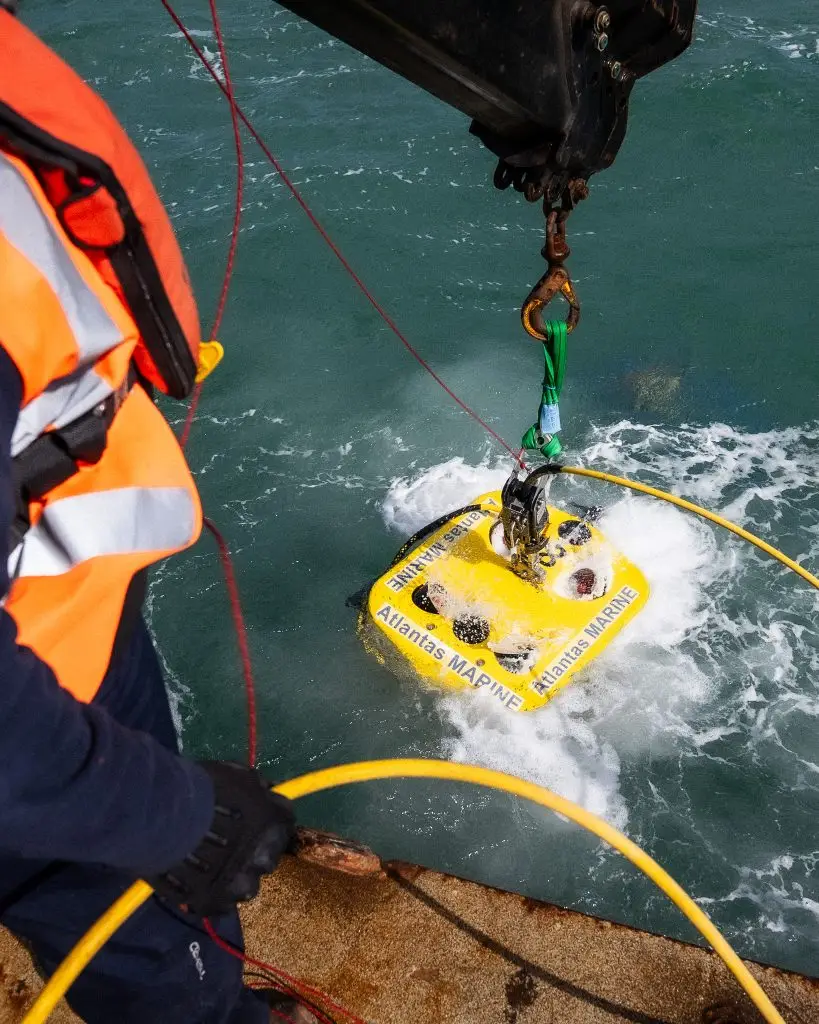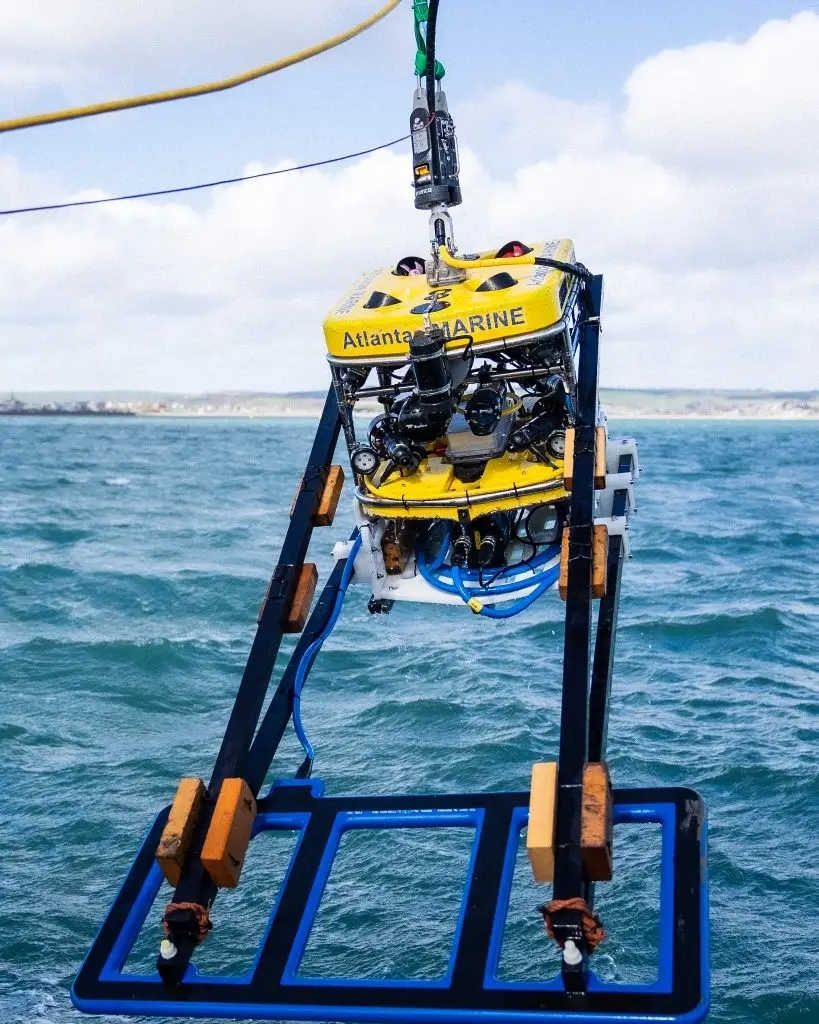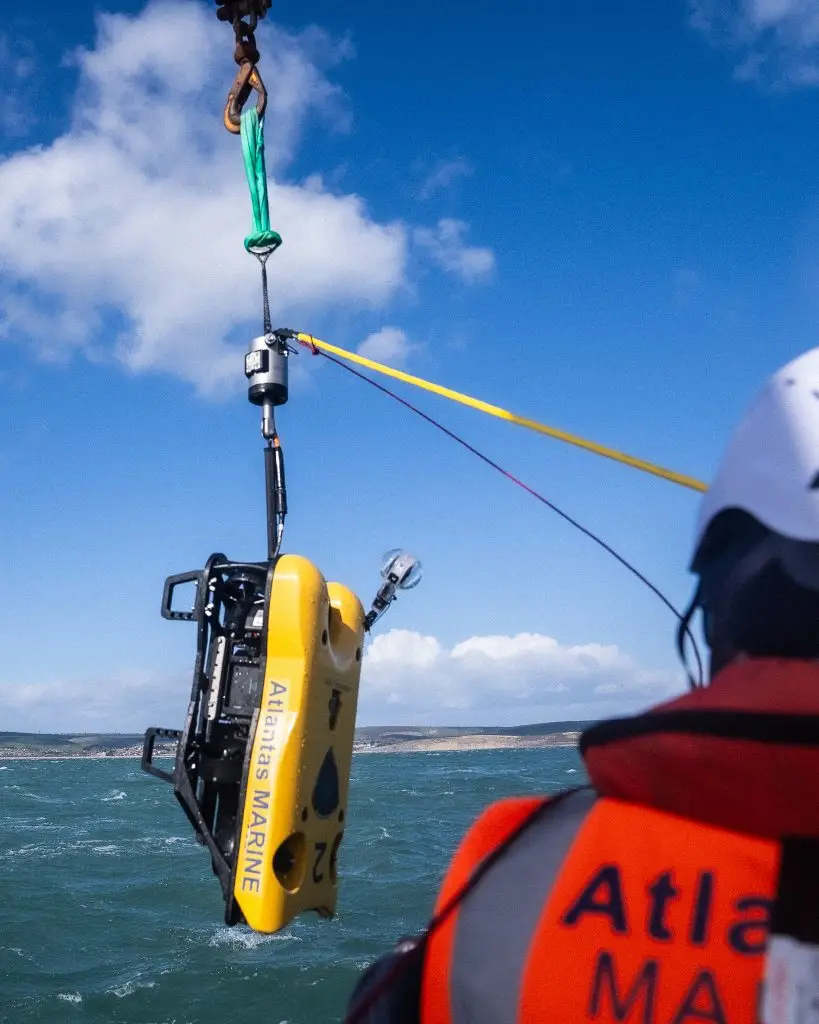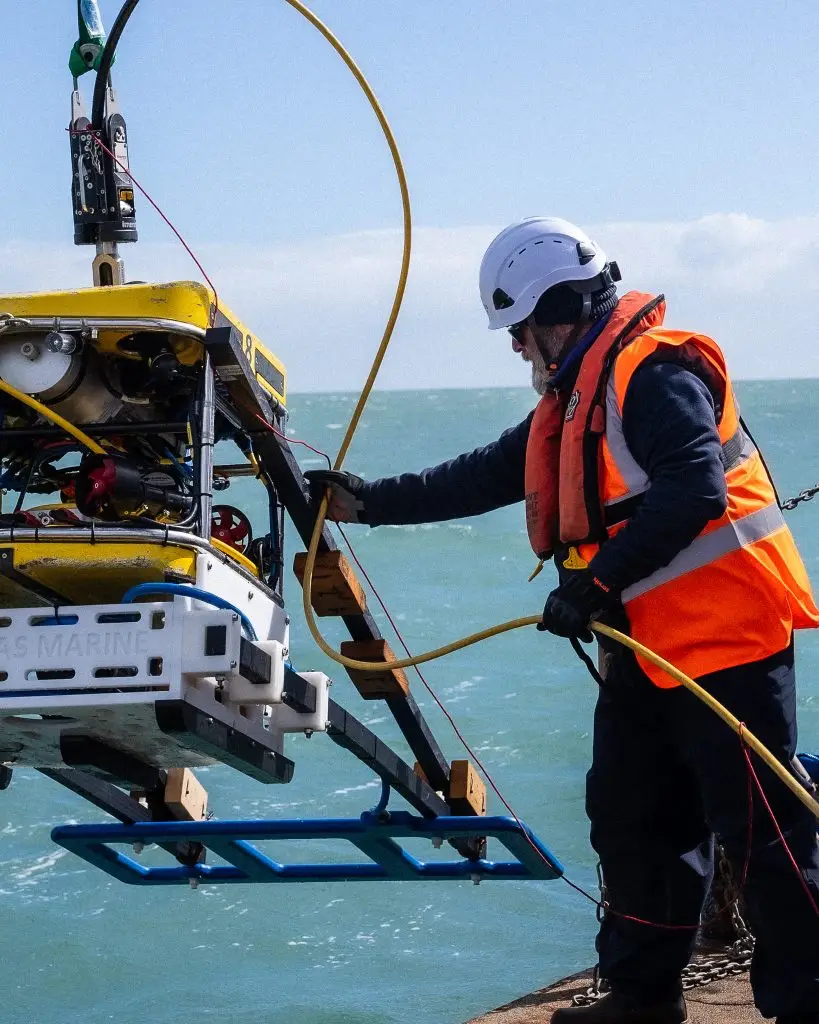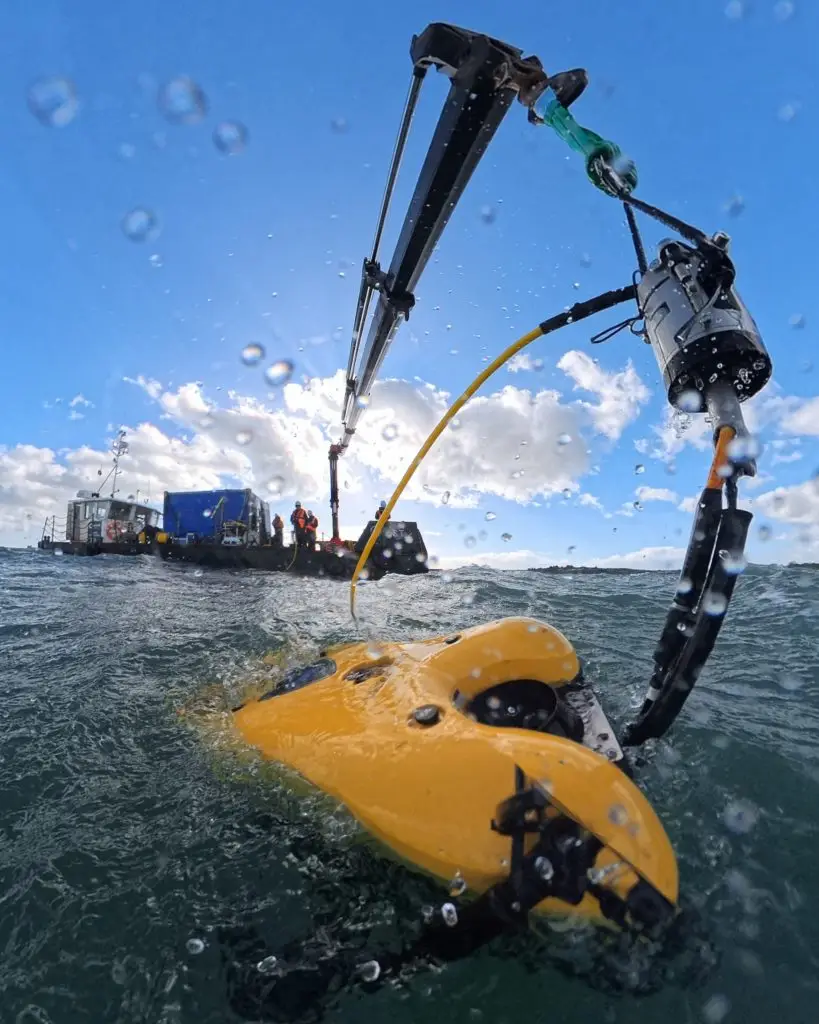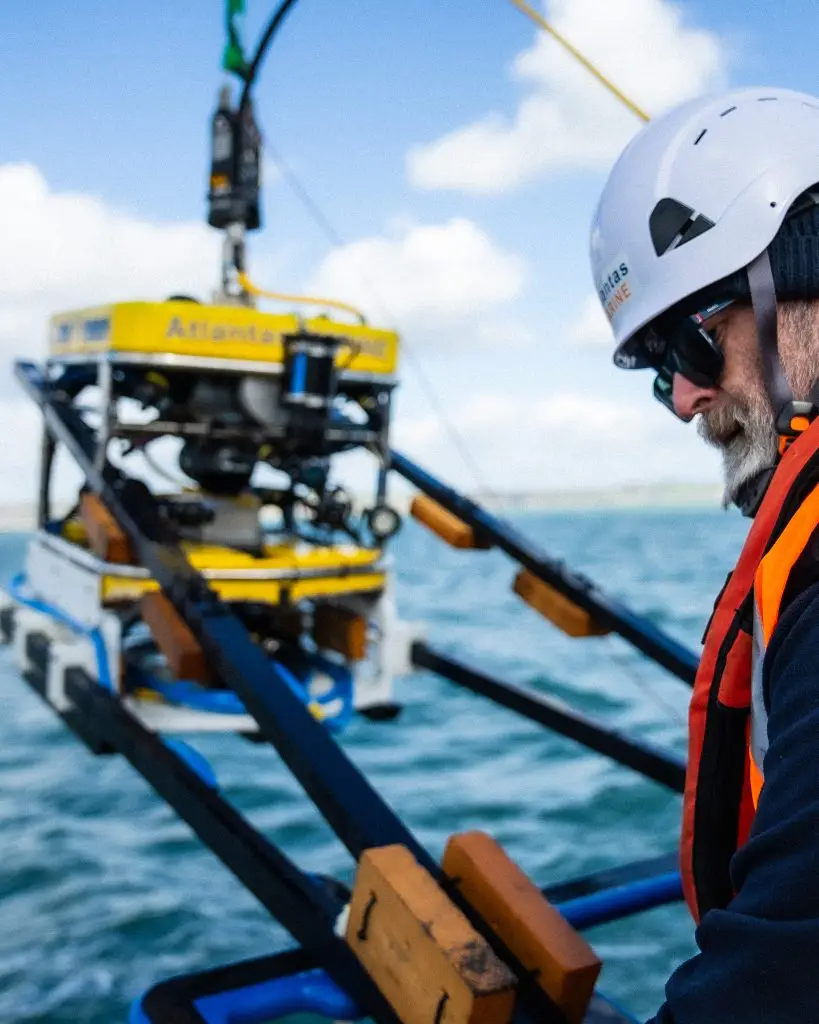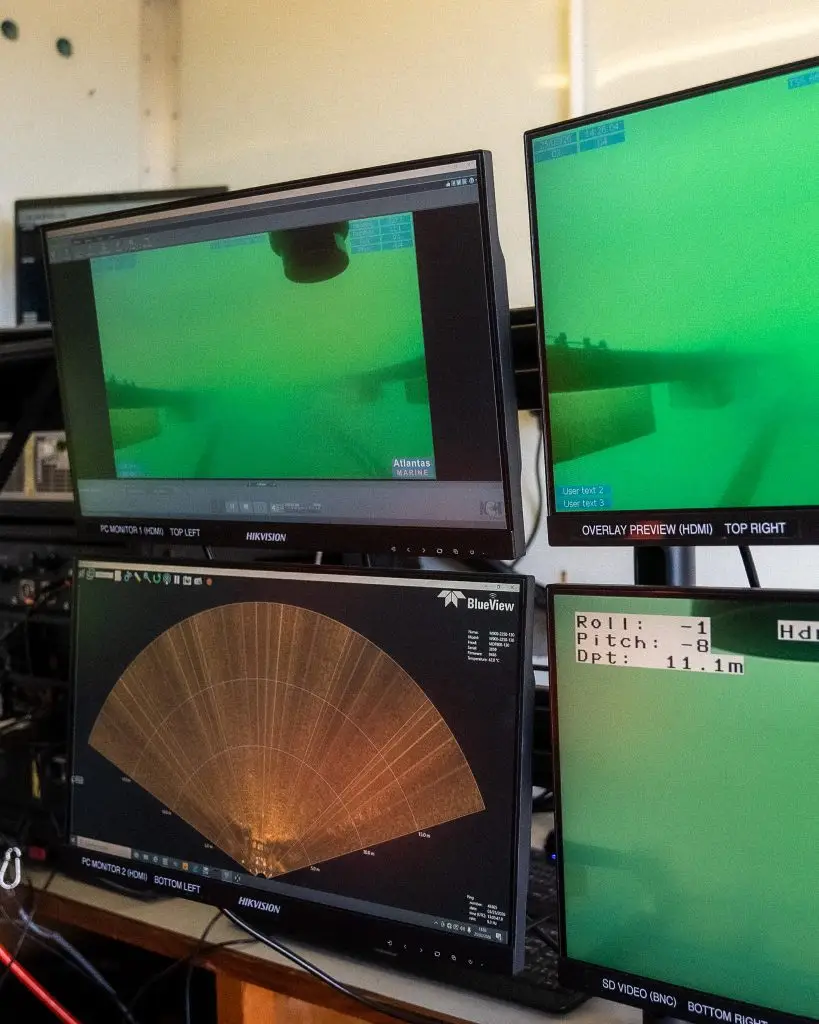
Atlantas Marine recently spent a day at sea in Weymouth Harbour carrying out offshore trials to assess how the Teledyne TSS 660 Pipetracker could operate alongside the Ocean Modules V8 M500.
The objective was to understand whether this integration could provide a practical solution for identifying and mapping underwater cabling, chains and pipework, both above and below the seabed, while supporting future subsea cable and pipeline survey work.
The Aim of the Trial
The trial was designed to establish whether the M500 is capable of operating effectively with the TSS 660 in an offshore environment.
By bringing these two systems together, Atlantas Marine is exploring a capability that could strengthen its offer for subsea inspection and survey operations, particularly where accurate asset identification and tracking are essential.
Further trials are planned in greater sea states to continue assessing how the integration performs in more demanding offshore conditions.
Why This Matters
Subsea assets are rarely straightforward to inspect. Cables, pipelines, chains and associated infrastructure can be exposed, partially buried or difficult to follow across changing seabed conditions.
A combined tracking and inspection setup can help operators work more effectively by improving visibility of critical underwater assets and supporting better decision-making offshore.
Potential Benefits of the Integration
This kind of capability could support clients by helping to:
- identify and map subsea cabling, chains and pipework more accurately;
- detect assets both above and below the seabed;
- improve confidence in subsea survey data;
- reduce uncertainty before maintenance or intervention work begins;
- support safer and more efficient offshore inspection activity;
- expand the potential for dedicated subsea cable and pipeline surveys.
Supporting Better Offshore Operations
For offshore operators, better subsea asset detection and tracking can lead to clearer reporting, improved planning and greater confidence when making operational decisions.
It also supports a more efficient approach to inspection work by helping teams gather better information before any maintenance, recovery or intervention activity takes place.
This is exactly why trials like these are important. They help demonstrate how the right combination of technology can be used in the field to solve practical subsea challenges.
Typhoon ROV Latch Product Shoot
The day also provided a valuable opportunity to carry out a product shoot for the upcoming launch of the Typhoon ROV Latch.
Capturing the product in a real marine environment helps show it in the setting it was designed for, giving customers a clearer understanding of its build quality, application and operational purpose.
You can view the Typhoon ROV Latch product leaflet, linked here.
Looking Ahead
As Atlantas Marine continues to test and refine its subsea capabilities, trials like this play an important role in shaping future service delivery.
They not only demonstrate what the technology can do, but also how it can be applied in real offshore environments to help clients work more safely, efficiently and effectively.